

Bungie Confirms Destiny 2 Was Actually A 12 Year Psychological Study On How Much BS Gamers Will Tolerate
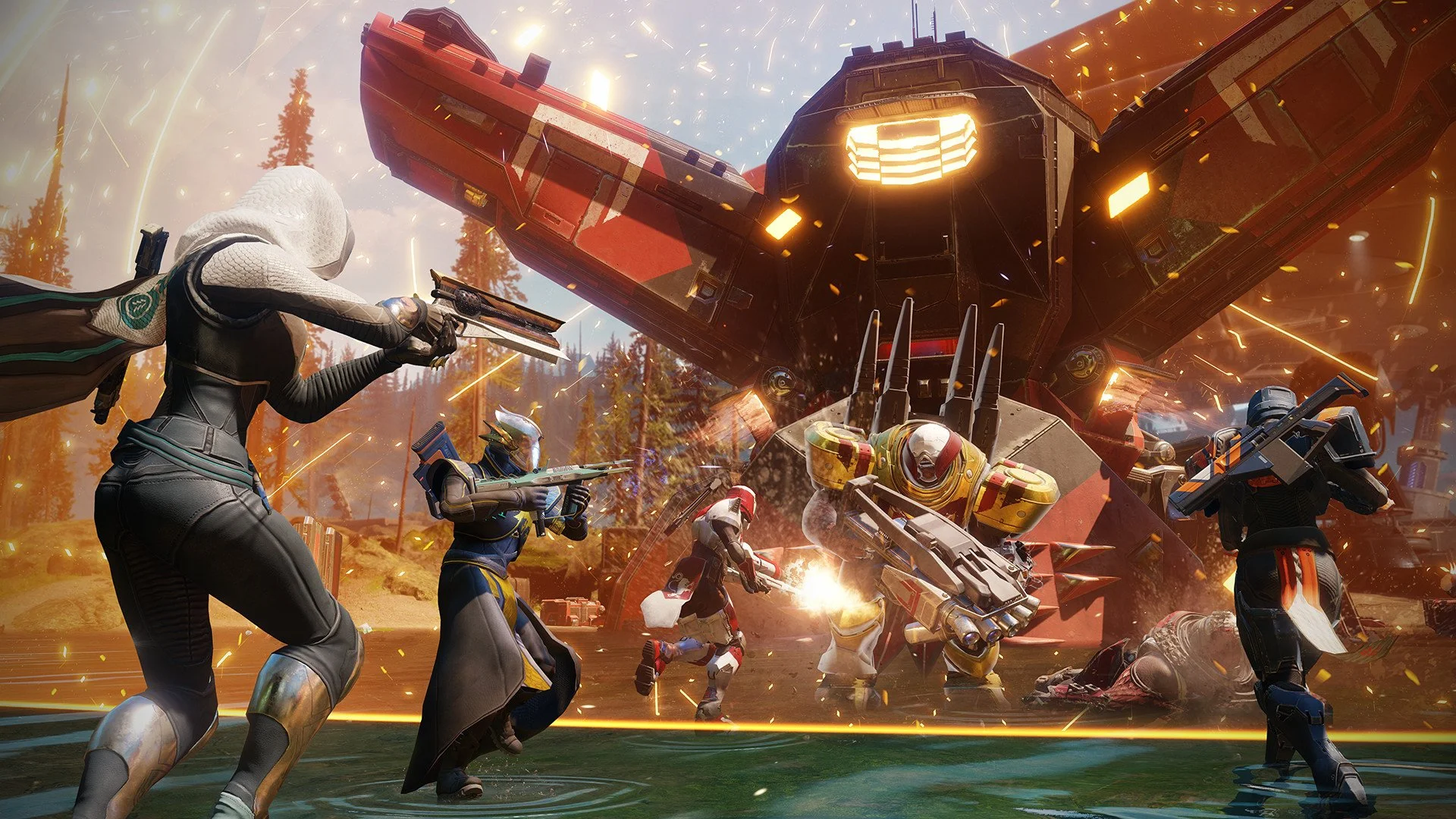
BELLEVUE, WA, In a historic announcement that shocked absolutely no one who has ever opened a seasonal vendor menu and felt their soul leave their body, Bungie confirmed this week that Destiny 2 will end active live service development, finally concluding what experts are calling the longest known experiment in making people angry enough to quit while still logging in tomorrow.
The studio will release Destiny 2’s final live service content update, Monument of Triumph, on June 9, 2026, before allowing the game to remain playable in the same way an abandoned mall remains technically enterable if the doors are not chained shut yet. The update includes returning features, refreshed loot, updated activities, and long requested changes that Bungie reportedly discovered in a dusty folder labeled “things players asked for before their grandchildren were born.”
“This is a celebration of everything Destiny has meant to players,” said a Bungie spokesperson while slowly sliding the franchise into a drawer marked “valuable IP, do not touch unless quarterly forecast demands it.”
Destiny 2, launched in 2017, quickly became one of gaming’s most ambitious live service titles, combining incredible gunplay, stunning art direction, unforgettable raids, confusing currencies, deleted content, emotional manipulation, and a user interface apparently designed by a committee of haunted accountants.
Over the years, players formed deep bonds with the game, their clans, their favorite weapons, and the weekly feeling of asking why they were doing this to themselves.
“I met my best friends through Destiny,” said one longtime Guardian. “I also spent 8 years farming armor stats that made me hate light itself. It is complicated.”
Bungie reportedly described the final update as a “love letter” to fans, which industry analysts say is the preferred term for “we are fixing several major problems now that it is no longer strategically useful to retain you.”
The update brings back Sparrow Racing League, improves rewards, refreshes old content, and restores features players have wanted for years, creating what psychologists call “the perfect emotional ambush.”
“This is like your dad finally saying he is proud of you while backing out of the driveway forever,” said one player, staring blankly at a vault containing 600 weapons he swears he still needs.
Sources close to the matter say Bungie leadership was moved by years of player feedback, especially once that feedback could be repackaged into a final update and released with the tone of a funeral brochure.
The company has assured players that Destiny 2 will remain playable after active development ends, allowing fans to revisit the game whenever they want to experience nostalgia, grief, or the cold realization that a decade of live service investment can become a museum exhibit with matchmaking.
“Destiny 2 is not going away,” the spokesperson said. “It is simply entering a beautiful new phase where it stops receiving meaningful future support, which is legally different from going away.”
At press time, thousands of Destiny fans were processing the news in the traditional manner, by declaring the game dead, reinstalling it, watching 4 lore videos, making a 37 minute YouTube essay titled “Bungie Has Lost The Plot,” and preemptively arguing about Marathon.
Marathon, Bungie’s next major hope, is now expected to carry the studio’s future, Sony’s expectations, displaced internal resources, investor confidence, and the emotional baggage of every Destiny player who thought “shared world shooter” meant the world would be shared for longer than the revenue model.
Early reports suggest Marathon will attempt to attract a new audience by offering tense extraction shooter gameplay, stylish visuals, and the thrilling opportunity to be blamed for Destiny 2’s death despite not having committed a crime yet.
“We are excited for Marathon,” said one executive, blinking in a way that suggested several financial spreadsheets had entered the room. “Players love new experiences, especially when those experiences arrive shortly after we place their old experience in a tasteful urn.”
Gaming historians now believe Destiny 2 will be remembered as a landmark title that changed the industry by proving players will forgive almost anything if the shooting feels good enough.
Deleted campaigns. Paid expansions. Seasonal burnout. Balance swings. Vault anxiety. Sunsetting. Content vaulting. Dungeon keys. Temporary activities. Confusing menus. Lore hidden in 12 tabs. A decade of emotional exhaustion disguised as engagement.
And yet, somehow, the guns went brrr in a way science may never fully explain.
“That was always Destiny’s genius,” said one analyst. “It gave players just enough beauty to survive the next punch in the mouth.”
Bungie closed its announcement by thanking players for their years of support, loyalty, passion, patience, money, deluxe edition purchases, dungeon key acceptance, Eververse restraint, Eververse non restraint, raid teaching, bug reporting, subclass testing, unpaid community management, and willingness to treat basic communication like a seasonal reward.
The studio also promised that Destiny’s universe may return someday, most likely when market conditions improve, nostalgia becomes profitable enough, or someone at Sony finds an old Gjallarhorn ornament and asks why it is not generating revenue.
For now, Guardians are encouraged to enjoy Monument of Triumph, celebrate the memories, and prepare for the final stage of live service grief.
Acceptance.
Which, according to Bungie, will be available in the Eververse store at daily reset.
